
Top Materials Used in Brooches: A Guide to Metals, Gems, and More
Check out our personalized jewelry collections! (kids drawing jewelry, coin jewelry, wire jewelry, fingerprint jewelry, handwriting jewelry, and more)
Brooches are timeless pieces that add flair to any outfit. They not only elevate fashion but also showcase craftsmanship. In this guide, we'll explore the top materials used in brooches, such as metals, gems, and innovative materials. Whether you're a jewelry enthusiast or new to the world of brooches, this guide will help you appreciate their beauty and complexity.
When we examine the materials, we delve into the rich history of metals like gold and silver used in brooch crafting. Gemstones and crystals add a stunning sparkle that captivates any audience. From intricate enamel work to contemporary techniques, each brooch tells its own unique story through its design.
Key Takeaways
- Explore classic and modern materials in brooch making.
- Discover techniques that enhance brooch designs.
- Learn how to choose brooches that fit your style.
Metals in Brooch Crafting
In brooch crafting, metals are key, giving each piece its luster, durability, and character. Precious metals like gold and silver bring elegance, while base metals offer affordability and variety.
Precious Metals
When we think of luxury brooches, precious metals like gold, silver, and platinum come to mind. Each metal offers its own unique shine and feel, perfect for high-end jewelry.
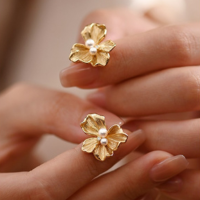
Gold is a perennial favorite. It comes in various shades like yellow, white, and rose, depending on alloys. Its malleability allows for intricate designs.
Silver is praised for its bright luster and has been used for centuries. It's less costly than gold, making it a popular choice for stylish yet affordable pieces.
Platinum is both rare and durable. Its silvery-white hue resists tarnish, keeping its shine for years. Although more expensive, it gives a long-lasting finish to the brooches we treasure.
Each precious metal adds a touch of sophistication, enhancing the jewel's overall beauty.
Base Metals
Not all brooches are made from precious metals. Base metals like copper, brass, and bronze are commonly used for functional and decorative designs.
Copper is known for its reddish hue that can darken over time, adding character. It's also valued for its affordability.
Brass, a mix of copper and zinc, offers a warm, golden look similar to gold but at a fraction of the cost. It's easy to work with and has a strong presence.
Bronze is another copper alloy, known for its rich, deeper color. It's durable and often used in bold and statement brooches.
Base metals provide us with endless possibilities, making charming and distinctive pieces accessible.
Gemstones and Crystals
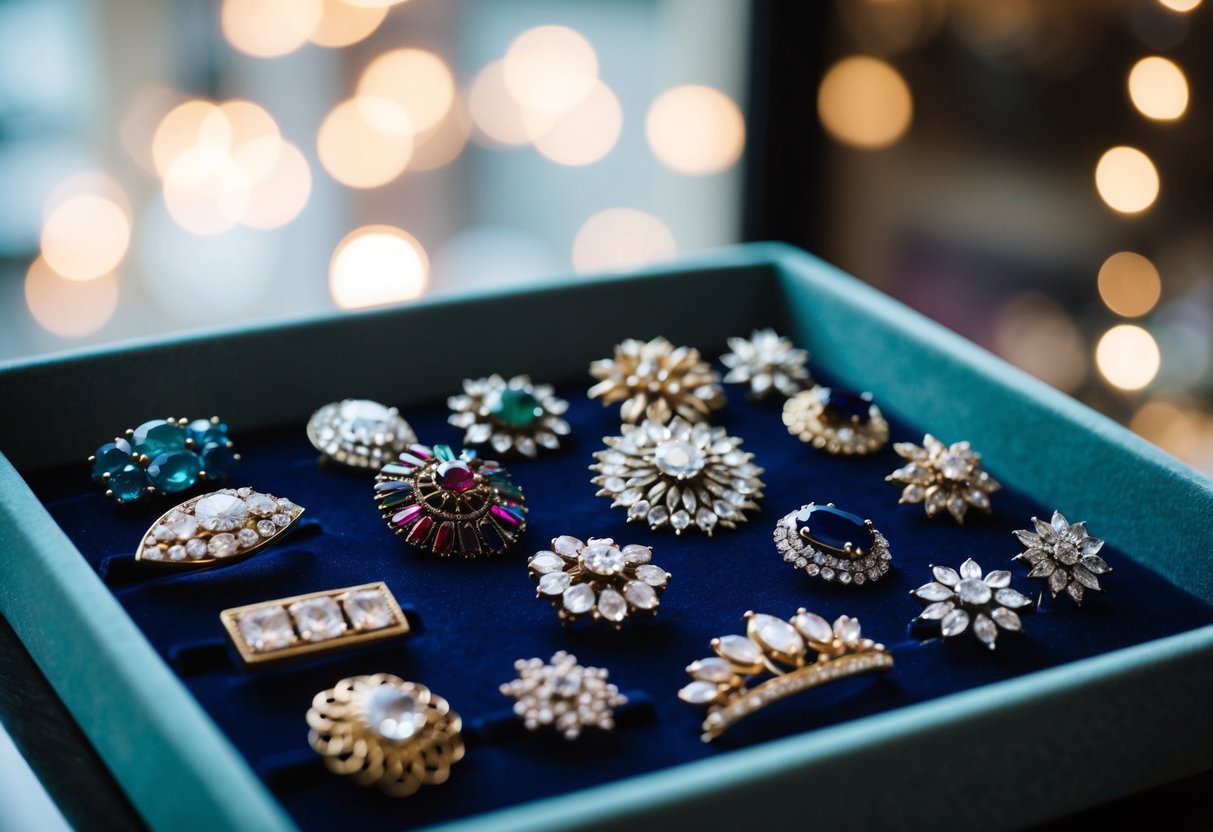
Brooches often showcase various gemstones and crystals, adding elegance and value. We explore the characteristics and appeal of diamonds, pearls, sapphires, rubies, and emeralds in these accessories.
Diamonds
Diamonds are known for their unbeatable sparkle and hardness. They can be clear or have faint colors, which adds to their brilliance. Their cut and clarity play a big role in their appearance. In brooches, diamonds are valued for their ability to catch light and enhance any design. They're perfect for making statement pieces. We find them mostly in white gold or platinum settings to complement their shine.
Pearls
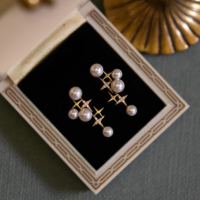
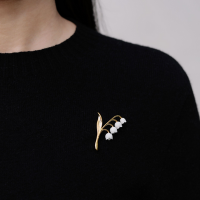
Pearls add a classic touch to brooches with their smooth, lustrous surfaces. They can be white, gray, pink, or even gold. Pearls form inside oysters, which makes each one unique. They bring an elegant charm and are often paired with gold or silver settings. What's special about pearls is their softness, which gives a warm glow to brooches. We typically use cultured pearls in jewelry as they offer consistent size and quality.
Sapphires
Sapphires are celebrated for their deep blue color, though they come in other colors too. Their rich hues add depth to brooches, making them ideal for bold designs. Sapphires are nearly as hard as diamonds, ensuring durability. We often set them alongside smaller diamonds to highlight their color. Their symbolic meanings of wisdom and nobility add an extra layer to any piece.
Rubies
Rubies stand out with their vibrant red color, sparking a sense of passion and love. They're a popular choice for those wanting a striking centerpiece in brooches. With a hardness just below diamonds, rubies are both beautiful and strong. We usually find them encased in gold settings, enhancing their fiery glow. Their rarity and allure make them a prized gem in our collections.
Emeralds
Emeralds shine with their lush green color, symbolizing renewal and growth. Their unique hue makes them mesmerizing in brooches. Though softer than diamonds and rubies, emeralds are attractive for their intricate patterns called inclusions. These are often viewed as a part of their charm. To bring out the best in emeralds, we pair them with diamonds or pearls in simple settings. Their exotic allure brings a touch of nature to our designs.
Enamel and Inlay Techniques
When it comes to adding color and depth to brooches, enamel and inlay methods create stunning effects. These techniques highlight artistry through vibrant colors and intricate designs. Let’s explore some popular approaches in this craft.
Champlevé
In Champlevé, grooves are carved into the metal surface. We then fill these recesses with enamel pastes. The piece is fired in a kiln, causing the enamel to melt and fuse. This results in a smooth, flush surface.
This method allows for striking color contrast. The metal borders define the design clearly. We often see Champlevé used in detailed brooches, with vivid designs that catch the eye. It's a technique that balances detail with bold color, adding richness to each piece.
Cloisonné
Cloisonné is about creating barriers. We use metal strips to form compartments on the brooch’s surface. These compartments, or cloisons, are then filled with enamel. Like Champlevé, the brooch is fired to fuse the enamel.
This technique offers vivid, contrasting colors. The thin metal walls create an intricate design outline. Cloisonné brooches are known for their clear, detailed patterns. Each color remains distinct within its cloison, enhancing precision and beauty in every piece.
Plique-à-jour
This technique is quite delicate. We create a pattern using thin metal frames without a backing. After applying the enamel, it is fired until only the frame and enamel remain.
The result resembles stained glass. Light passes through, bringing the brooch to life with color and transparency. Plique-à-jour requires skill due to its fragility. Still, its effect is unmatched, producing ethereal and elegant designs. This method is a testament to the artisan's precision and creativity.
Innovative Materials
In the world of brooches, new materials are creating exciting possibilities. From colorful acrylics to eco-friendly recycled elements, these choices bring fresh trends.
Acrylic
Acrylic is known for its versatility and vibrant colors. It allows artists to create unique, eye-catching designs. Lightweight and durable, acrylic is perfect for large or bold brooches without weighing down clothing. The material can be cut into any shape, allowing for intricate patterns and figures.
We often see acrylic in bright, popping colors or elegant, transparent finishes. This gives brooches a modern touch. It's affordable, making it accessible to a wide audience.
As an option, acrylic allows us to experiment with design, form, and color in ways traditional materials may not.
Resin
Resin is a favorite for its ability to capture detailed and clear designs. Artists use resin to create brooches that look like tiny works of art. One of its key features is the ability to embed objects within it. This can include dried flowers, tiny charms, or glitter. These inclusions make each piece unique.
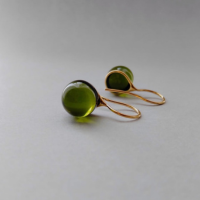
The high-gloss finish of resin gives brooches a polished, glass-like appearance. We also appreciate that resin can mimic the look of precious stones or even glass. This makes it appealing without the high cost.
Resin's ability to be easily molded means we can explore limitless design possibilities.
Recycled Materials
Recycled materials are an exciting trend in brooch design. As eco-conscious consumers, we appreciate their positive environmental impact. Brooches made from recycled metals, plastics, or fabrics often tell a story through their transformation process.
Using recycled elements, designers contribute to sustainable fashion trends. It lets us enjoy stylish pieces while also caring for our planet. Each reused item brings its own charm and character.
For those of us who value sustainability, these brooches offer a meaningful way to accessorize. Recycled materials remind us that beauty can also be responsible and resourceful.
Craftsmanship and Design
Brooches showcase artistry through both handcrafted techniques and machine fabrication. Each method offers unique advantages, revealing diverse styles that appeal to different tastes. Understanding these processes can help us appreciate these special pieces.
Handcrafted Techniques
When we talk about handcrafted brooches, we're discussing skill and creativity. Artisans often use traditional methods passed down through generations. Some employ lost-wax casting, which allows for detailed designs. Others might use filigree, creating intricate wire patterns. These approaches lend a unique touch to each piece, ensuring no two brooches are exactly alike.
Handcrafting can involve materials like gold, silver, and gemstones. The process can be time-consuming as each detail is meticulously shaped and polished. This care results in brooches that are truly one-of-a-kind.
The charm of handcrafted brooches lies in their authenticity and the personal stories behind their creation. With these items, we find a connection to the artisan's vision, making each piece more meaningful.
Machine Fabrication
In contrast, machine fabrication is all about precision and efficiency. This technique allows for high-volume production, making beautiful brooches more affordable. Machines can shape metals and set stones quickly and accurately.
Materials often include stainless steel and plated alloys. These help keep costs down while still providing durability and shine. Computer-aided designs (CAD) ensure uniformity in patterns and motifs, opening possibilities for modern aesthetics and innovation.
While machine-made brooches lack the personal touch of handcrafted ones, they offer consistency and reliability. This method appeals to those who appreciate sleek, contemporary designs. Furthermore, it allows us to explore a wide range of styles without the handcrafted waiting period.
Brooch Clasps and Mechanisms
Brooch clasps and mechanisms are key to both the functionality and design of a brooch. Different types of clasps affect how a brooch lays on clothing and ease of use. We'll cover pin clasps, roll-over clasps, and trombone clasps.
Pin Clasp
The pin clasp is one of the oldest and simplest mechanisms for brooches. It consists of a straight pin attached to the back of the brooch, which is pushed through the fabric and secured by an attached hook. This mechanism is straightforward and allows for a wide range of design possibilities.
One key feature of pin clasps is their reliability. They hold fast to most fabric types without needing extra care. Important tip: When using pin clasps, avoid very delicate fabrics as the pin might leave noticeable holes or damage. This clasp type suits brooches meant for sturdier materials, like wool or denim.
Roll-Over Clasp
Also known as the safety clasp or locking clasp, the roll-over clasp adds extra security compared to the basic pin clasp. It includes a pin with a rotating piece that locks the pin in place. After pushing the pin through the fabric, we rotate the piece over the pin tip to keep it secure.
This mechanism is popular due to its added safety, preventing accidental falls. The roll-over clasp shines when used with both strong and delicate fabrics. With its balance of security and ease of use, it ensures our brooches stay stylishly in place.
Trombone Clasp
The trombone clasp is so named because the securing mechanism resembles the action of a trombone slide. It involves a pin that slides into a tube, which is then secured by pulling or pushing the tube piece to lock it in place. This clasp combines security with an elegant mechanical design.
Notably, trombone clasps are often found on vintage or antique brooches. They provide a firm hold, ideal for those looking to secure brooches on various fabrics, from light to heavy. While less common today, they add a touch of history and sophistication to our jewelry collections.
Care and Maintenance of Brooches
To keep our brooches looking their best, regular cleaning is key. For metals like gold or silver, a soft cloth and mild soap work wonders. Gently buff away dirt and fingerprints. Avoid harsh chemicals to prevent damage. For brooches with stones, we recommend a gentle cleaning method using only water and a soft brush.
Storing our brooches correctly helps maintain their shine. Use a soft pouch or jewelry box with a separate compartment to prevent scratches. Keeping brooches away from direct sunlight and moisture also extends their life. This helps preserve both the metal and any stones or pearls they may have.
If a brooch shows signs of wear or needs repair, consulting a professional jeweler is wise. They can assess any issues and provide the right care to restore it. Trying home repairs may cause damage or further issues. We should always handle our brooches with care and thoughtfulness.
Finally, wearing brooches also comes with a few tips. Put them on after applying makeup or sprays to avoid any adverse reactions. Be mindful of securing them properly to clothing to prevent loss. By taking these steps, our brooches can be enjoyed for years, adding a special touch to any outfit.
Sustainable and Ethical Sourcing
We understand the importance of choosing materials that are kind to our planet and its people. Ethical sourcing of gemstones and eco-friendly metals help ensure fair practices and a lighter environmental footprint.
Fair Trade Gemstones
Fair Trade gemstones are important to us because they respect the people who mine them. These gems are sourced with strict standards that prioritize the welfare and safety of miners. By choosing Fair Trade stones, we support communities, ensuring they receive fair wages and work in safe conditions.
Also, Fair Trade prioritizes environmental protection. Gem collection practices are managed with minimal harm to the ecosystems. This means that the beautiful stones we use in our brooches do not come at the environment's expense.
Eco-Friendly Metals
Eco-friendly metals are those that are recycled or mined with practices that reduce environmental harm. We use metals like recycled silver and gold, which help us lower the demand for new mining. This reduces the impact on land and communities affected by mining activities.
Recycled metals maintain the quality and appearance of newly mined metals without the environmental cost. By using these materials, we offer beautiful and sustainable jewelry options. Our customers can enjoy stylish brooches with the knowledge that they help protect the Earth.
Historical Significance of Brooches
Brooches have held important roles throughout history. They began as clothing fasteners in the Bronze Age. Made from bone, flint, or metal, these early pieces were practical, yet they had charm.
During the Roman Empire, brooches turned into status symbols. Wealthy individuals wore ornate brooches to express wealth and power. Materials like gold and silver made them stand out.
Middle Ages brooches had spiritual meaning. They often featured religious symbols. People believed these symbols protected the wearer. This gave brooches a special place in personal and religious life.
In the Victorian era, brooches became keepsakes. They helped express emotions, like mourning or love. Designs often used symbols, such as hearts or crosses, to convey specific feelings.
Brooches evolved again in the 20th century. Artists like René Lalique and Art Nouveau designers used them as canvases for creative expression. This period saw the use of diverse materials, from enamel to pearls.
Brooches are more than decorative; they connect us to history in meaningful ways. We can admire their beauty while remembering their rich past.
Current Trends in Brooch Design
Brooches are making a comeback in fashion circles. They're not just vintage finds; new designs are popping up everywhere. Let's explore what makes brooches exciting today.
Modern Shapes: Designers are using more abstract shapes. Think geometric forms like hexagons and triangles. This gives brooches a fresh, contemporary appeal.
Mixed Materials: Combining metals with unexpected elements is a hot trend. We're seeing wood, leather, and even fabric being used. This mix adds texture and interest.
Nature Inspired: Floral and animal motifs remain popular. New designs capture the beauty of nature with detailed leaves, flowers, and birds.
Personalization: Customized brooches are in demand. Initials, birthstones, and even small symbols make brooches unique to the wearer. It's about creating a personal connection.
Bold Colors: Jewel tones and vibrant colors are in. Emerald greens, deep blues, and bright reds make brooches stand out.
Creating this variety keeps brooches fresh and exciting. Whether it's the mix of materials or the bold colors, we're loving these trends.
Choosing the Right Brooch for Your Style
When choosing a brooch, we need to think about how it fits with our style. Brooches can be bold or subtle, depending on your taste. If we like a classic look, gold and silver might be our best option. For those who love to make a statement, adding colorful gems can catch everyone's eye.
List of Materials:
- Metals: Gold, Silver, Bronze
- Gems: Diamonds, Emeralds, Rubies
- Others: Pearls, Enamel, Glass
Size and shape also matter. Large, ornate designs can be eye-catching and are ideal for special events. On the other hand, small, simple brooches can add a touch of elegance to everyday outfits.
Brooch Types:
- Floral: Great for spring outfits.
- Geometric: Perfect for modern looks.
- Animal: Adds whimsy to any outfit.
The way we wear a brooch is also key. We can pin it on a lapel, use it to secure a scarf, or even add it to a hat for a unique touch. It’s all about creativity and what feels right for us.
Tips for Wearing Brooches:
- Pair with a plain dress to make it stand out.
- Match metals with other jewelry pieces.
- Use it to highlight a waistline or neckline.
Remember, a brooch is a way to express who we are. It should fit into our wardrobe seamlessly, like it was meant to be there all along. Whether we’re heading to work or a night out, the right brooch can make all the difference.
Frequently Asked Questions
Brooches add elegance to any outfit. We explore common materials, popular gemstones, and metal choices for durability, and share tips on incorporating brooches into suits.
What are the typical materials used in crafting brooches?
Brooches often feature a mix of metals like gold, silver, and brass. Enamel and resin can add color and style. The base metal affects both the weight and the durability of the brooch, offering various choices for different preferences and occasions.
Which gemstones are most popular in brooch designs?
Gems like diamonds, pearls, and sapphires frequently appear in brooch designs. These stones bring sparkle and luxury. Other popular choices include rubies and emeralds, which add vibrant color to any piece. Semi-precious stones like amethysts and topazes are often used too for their beauty and affordability.
What are the distinguishing features of high-quality brooch clasps?
High-quality clasps are secure and user-friendly. They often feature safety catches or locking mechanisms to prevent accidental opening. A well-made clasp will offer a smooth, sturdy action when fastened, enhancing both the function and aesthetic of the brooch.
How can one stylishly incorporate a brooch into a suit ensemble?
Attach a brooch to the lapel for a stylish touch. Choose a piece that complements the suit color. For a formal look, opt for sleek designs and understated gems. For a bold statement, pick a more ornate piece or a larger design to draw attention.
What jewelry metals are recommended for daily wear accessories?
Gold and silver are excellent for daily wear due to their beauty and durability. Platinum also stands out for its resistance to tarnish and scratches. These metals offer both style and resilience for regular use, allowing you to enjoy your pieces without frequent maintenance.
Which jewelry metal offers the most durability for brooches?
Platinum is among the most durable metals for brooches. It resists tarnish and withstands wear well. Gold is also strong, especially in higher karat forms where alloy metals add strength. Stainless steel can also be a good choice for its toughness and cost-effectiveness.


%0ABrooches%20are%20timeless%20pieces%20that%20add%20flair%20to...)